Japanese floor living, curated. We earn from qualifying purchases. Learn more

Best Tatami Mats Compared: Folding vs. Full Mats vs. Room Kits (2026)

Folding, full-thickness or a whole room: seven tatami mats compared on construction, size and price.

Heads up: ShikiNest earns a commission when you buy through links on this page, at no extra cost to you. As an Amazon Associate we earn from qualifying purchases. How we earn money. Prices were checked on November 24, 2026; the retailer's page has the current price.

Published November 24, 2026 · Based on our research of each product's published specs and retailer listing, checked on November 24, 2026. We have not tested these mats in person, and we don't invent ratings or reviews.

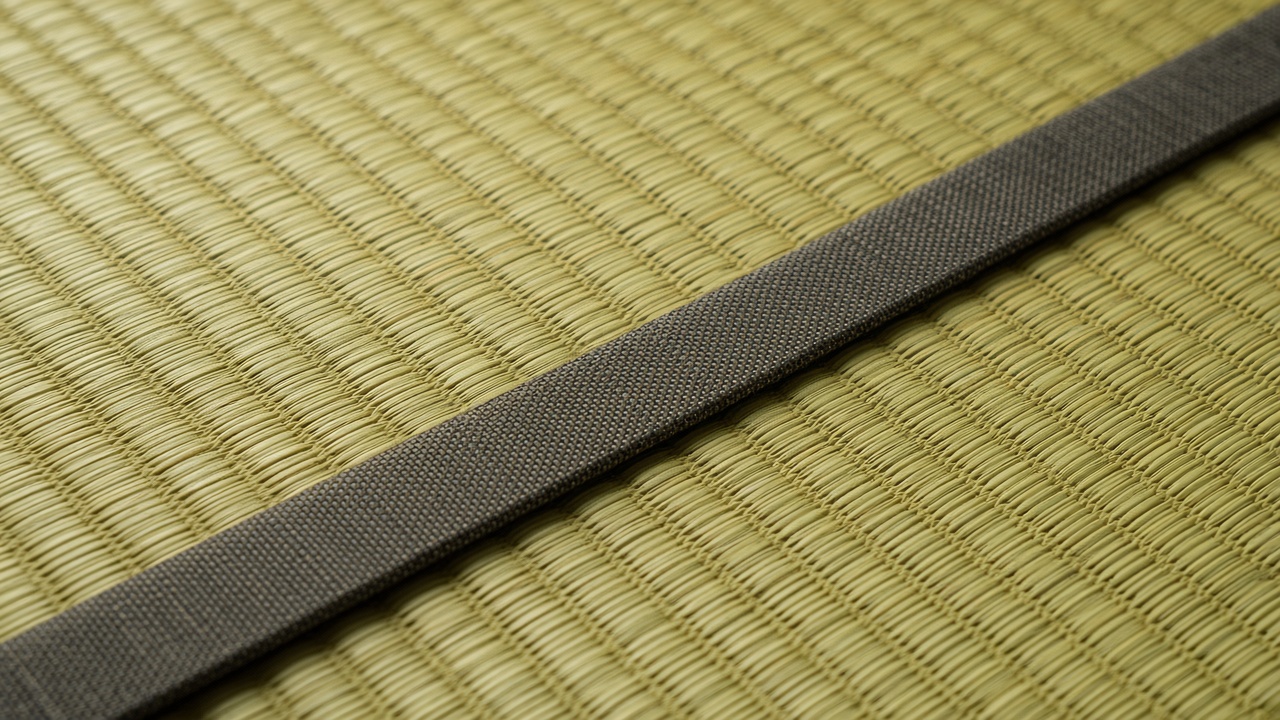
"Tatami mat" covers two quite different products. A traditional tatami is about 2 inches thick, with woven rush grass (igusa) over a dense core of rice straw. It's heavy, firm with a little give, and meant to stay in place as flooring. A folding tatami is a thin layer of rush grass, sometimes over fiberboard, that you can fold away. It gives you the surface and scent, and some airflow under a futon, but not much cushioning. Below we compare seven real products across both types, from thin Amazon igusa mats to a three-mat room kit, using what the makers and retailers publish.

Quick picks. Under a twin or queen futon: J-Life Folding Tatami. Traditional full mat: J-Life Standard. Full-thickness queen base: J-Life Queen Tatami (pair). A whole tatami room: J-Life 6' x 9' Room Kit. Pesticide-free squares: Haiku Designs Half Size. Most widths: EMOOR. Budget queen coverage: MIINA.

At a glance

ProductTypeConstructionSizeThicknessPrice at time of writing
J-Life Folding Tatami MatThin folding tatamiRush grass over fiberboardStandard 35.4" x 79"; Queen 60" x 80"0.25"$157.25–$209.95
J-Life Standard Tatami MatFull-thickness tatamiDouble-layer rush grass top, baked rice straw core, moisture barrier71" x 35 3/8" (one mat)2"$254.15 each
J-Life Queen Tatami MatFull-thickness tatamiDouble-layer rush grass top, baked rice straw core, moisture barrier80" x 30" per mat; two make 80" x 60"2"$262.65 single; $518.50 for two
J-Life 6' x 9' Tatami Room KitRoom kit (3 full mats)Double-layer rush grass top, baked rice straw core, moisture barrierAbout 6' x 9' (three 71" x 35 3/8" mats)2"$720.80
Haiku Designs Half Size TatamiHalf-size full-thickness tatamiRush grass over layered rice straw, cloth edging35.5" x 35.5"2"$339 each
EMOOR Foldable Igusa Tatami MatThin folding igusa mat100% Japanese igusa (rush) top, non-woven fabric bottomSmall-Twin 35.43" x 78.74"; other widths up to 5'2" x 6'7"0.51" (Small-Twin listing)See Amazon
MIINA Tatami Mattress (Queen)Thin folding rush grass mat100% natural rush grass, non-slip non-woven backingQueen 61" x 78"0.4"See Amazon

Prices for J-Life and Haiku Designs were read from their product pages on November 24, 2026. For Amazon items we don't list a price because it changes often; follow the link for the current price. Specs are as listed by each seller.

The picks, one by one

J-Life InternationalBest for under a futon
J-Life

J-Life Folding Tatami Mat

$157.25–$209.95Price at time of writing (Nov 24, 2026); Standard or Queen

Best for: Putting a real rush-grass surface under a shikibuton without the weight of a full mat, or carrying one to yoga or a picnic.

J-Life's folding mat wraps traditional Japanese rush grass around a fiberboard core, so you get the look, feel and scent of tatami at a fraction of a full mat's weight. It comes in Standard (35.4" x 79") and Queen (60" x 80") sizes, both a quarter-inch thick, and both fold to a quarter of their size. J-Life says the Standard size comes with a carrying bag and the Queen doesn't.

Why pick it

  • Folds to 1/4 size for storage
  • Queen size covers a whole queen futon in one piece
  • Standard size includes a carrying bag

Keep in mind

  • Only 0.25" thick, so it adds texture and a breathable layer rather than cushioning
  • Fiberboard core instead of the traditional rice-straw core
View at J-Life International →
J-Life InternationalTraditional full mat
J-Life

J-Life Standard Tatami Mat

$254.15Price at time of writing (Nov 24, 2026), per mat

Best for: Building a traditional tatami corner or room one mat at a time.

This is a traditional 2-inch tatami: a double layer of Japanese rush grass over a baked, dried rice straw fill, sewn with a black fabric border, with a moisture-resistant barrier built into the base. One mat measures 70 7/8" (about 71") by 35 3/8" and weighs about 66 pounds. J-Life's size guide shows which mat combinations fit each shikifuton size.

Why pick it

  • Traditional rice straw core with the firm, slightly springy feel tatami is known for
  • Built-in moisture-resistant barrier
  • Can be combined into larger layouts

Keep in mind

  • About 66 lb per mat, so it's meant to stay put
  • At 71" long, one mat is shorter than a 75"–80" futon
View at J-Life International →
J-Life InternationalBest for a queen futon
J-Life

J-Life Queen Tatami Mat

$262.65–$518.50Price at time of writing (Nov 24, 2026); single mat or set of two

Best for: A full-thickness tatami base sized for a Western queen futon.

Same construction as J-Life's standard mat (rush grass top, rice straw core, black border, moisture barrier), but cut to 80" x 30". Two mats side by side make an 80" x 60" sleeping surface for a queen shikifuton, and J-Life sells them singly or as a pair. Each mat is 2" high and weighs about 70 pounds.

Why pick it

  • Sized to match an 80"-long queen futon
  • Traditional rice straw core
  • Pair pricing is slightly lower than buying two singles

Keep in mind

  • About 70 lb per mat
  • Two-mat set is one of the bigger spends in this guide
View at J-Life International →
J-Life InternationalBest for a tatami room
J-Life

J-Life 6' X 9' Tatami Room Kit

$720.80Price at time of writing (Nov 24, 2026), set of three mats

Best for: Turning a corner, office or spare room into a washitsu-style tatami space.

Three of J-Life's standard 2-inch mats packaged to cover a roughly 6' x 9' area. J-Life says the kit costs less than buying the three mats separately (at time of writing, $720.80 versus $254.15 each). Each mat is the same rush grass and rice straw construction described above and weighs about 66 pounds.

Why pick it

  • Lower price than three single mats
  • Enough area for a futon plus floor seating
  • Traditional construction

Keep in mind

  • Roughly 200 lb of mats in total
  • Needs a room or alcove planned around the 6' x 9' footprint
View at J-Life International →
Haiku DesignsPesticide-free pick
Haiku Designs

Haiku Designs Half Size Tatami Floor Mat

$339Price at time of writing (Nov 24, 2026), per mat

Best for: Square layouts, meditation spots, and buyers who want mats treated without pesticides.

Haiku Designs' half mat is a 35.5" square, 2" thick, made in Taiwan with a rush grass surface over layered rice straw (not wafer board or particle board) and tension-stitched cloth edging, offered in Black or Sage Green. Haiku says the rush is rated "Best Grade #1" and that its mats clear US customs with an infrared heat process instead of pesticide powders or fumigation. It lists the mats as meeting JAS, JIS and USDA standards.

Why pick it

  • Rice straw core instead of wafer board or particle board
  • Heat-treated rather than fumigated, according to Haiku
  • Square size is easy to combine into custom layouts

Keep in mind

  • Highest price per square foot here
  • Half size, so you'll need several to sleep on
View at Haiku Designs →
AmazonMost size options
EMOOR

EMOOR Japanese Tatami Mat, Natural Rush Grass (Undyed), Foldable

See current price on AmazonPrice changes often; check Amazon

Best for: A lightweight rush-grass layer under a futon, in a width that matches your bedding.

EMOOR's mat has a 100% Japanese natural igusa top and a non-woven fabric bottom that the listing says is made not to damage flooring. The Small-Twin is 35.43" x 78.74" x 0.51" and folds to 19.69" x 35.43" x 2.17". The listing offers rectangles of 2'11", 3'3", 4'7" and 5'2" wide (all 6'7" long), plus sets of 27.5" squares. EMOOR recommends wiping it with a dry cloth and keeping it dry, and notes that the undyed color changes slowly over time.

Why pick it

  • Japanese igusa on the top surface
  • Several widths, plus square sets
  • Folds small for storage

Keep in mind

  • Thin: more of a breathable surface than a cushion
  • Listing warns that condensation can build up in winter, so it needs airing
View at Amazon →
AmazonBudget queen
MIINA

MIINA Japanese Traditional Tatami Mattress, Igusa (Rush Grass), Queen

See current price on AmazonPrice changes often; check Amazon

Best for: Covering a queen-size floor bed area with rush grass on a budget.

MIINA's queen mat is 61" x 78" and 0.4" thick, made of 100% natural rush grass with a non-slip, non-woven fabric backing. It folds in four for storage. MIINA pitches it as a futon base, extra seating or an area rug. Note that at 78" it's a little shorter than an 80" queen futon.

Why pick it

  • Queen-width coverage in one folding piece
  • Non-slip backing
  • Folds in four

Keep in mind

  • 78" long, slightly shorter than an 80" queen futon
  • Thin, with no rice straw or board core
View at Amazon →

How to choose a tatami mat

  • Decide what it's for. If you mainly want a breathable, natural surface under a shikibuton that you can put away, a thin folding mat (J-Life Folding, EMOOR, MIINA) is enough. If you want tatami as flooring, for a tea corner, meditation space or a washitsu-style room, look at 2" mats with a rice straw core (J-Life Standard, Queen, Room Kit, Haiku Designs).
  • Match the length to your futon. Tatami and futon sizes don't line up neatly. J-Life's standard mat is about 71" long, its queen mats are 80", and the MIINA queen is 78". Measure your futon (often 75" or 80") before you choose.
  • Check the core. Rice straw is the traditional core and gives tatami its firm, slightly springy feel. Fiberboard or no core at all keeps a mat light and foldable. Haiku Designs points out that cheaper full mats often use wafer board or particle board.
  • Plan for weight and placement. A full mat weighs 66–70 lb (J-Life's figures), so it's meant to stay put. Folding mats can be moved for cleaning and airing.
  • Keep it dry. Every listing here says rush grass should be kept dry: wipe it with a dry or barely damp cloth, vacuum along the weave, and air the futon on top of it regularly (see our futon care guide).
  • Pairing with a bed frame? Futons sink between bed slats, so some platform beds are designed to hold tatami as a solid deck. Haiku Designs' Raku Tatami Platform Bed is one example: a solid parawood frame whose optional tatami mats sit level with the frame. Browse more bases on our tatami & bases page.

FAQ

Can I sleep directly on a tatami mat?

Traditionally you put a shikibuton on top of the tatami rather than sleeping on the mat itself. The tatami gives a firm, breathable base and the futon gives the cushioning. Thin folding mats like EMOOR and MIINA are sold mainly as underlays for a futon, or as rugs and yoga or meditation mats.

What's the difference between a folding tatami and a traditional one?

A traditional mat (like J-Life's Standard or Haiku Designs' Half Size) is about 2" thick with a rice straw core and weighs a lot (J-Life lists about 66 lb for a standard mat). A folding mat is a quarter-inch to half-inch layer of rush grass, sometimes over fiberboard, that folds up to store. Folding mats are lighter and cheaper but add little cushioning.

What size tatami do I need for a queen futon?

For a full-thickness base, J-Life sells 80" x 30" queen mats and says two of them make an 80" x 60" surface. For a thin layer, J-Life's Folding Tatami in Queen is 60" x 80" in one piece, and the MIINA queen is 61" x 78".

How do I clean a tatami mat?

Vacuum along the direction of the weave and wipe with a dry or barely damp cloth. Keep it dry. EMOOR's listing warns that condensation can build up in winter and recommends drying the mat in a shaded, well-ventilated room.

Is the grass smell normal?

Yes. Fresh rush grass has a distinct scent. EMOOR suggests putting the mat in a well-ventilated place until the smell fades if it's too strong for you, and says the undyed color changes slowly over time.